


Hiring a General Contractor in Port Washington, OH
Understanding the Role of a General Contractor
When you embark on a construction or renovation project, understanding who manages the entire process is essential. A general contractor serves as the central point of coordination, overseeing every aspect of your build from initial planning through final completion. This professional handles the procurement of materials, scheduling of subcontractors, obtaining necessary permits, and ensuring that work meets local building codes and quality standards.
In Port Washington, OH, where construction projects must account for seasonal weather patterns and regional building requirements, having a qualified professional managing your project becomes even more critical. The general contractor translates your vision into actionable plans, manages the budget, and troubleshoots issues that inevitably arise during construction. They coordinate electricians, plumbers, carpenters, and other specialized trades, ensuring each phase of work flows smoothly into the next.
The responsibilities extend beyond simple coordination. A skilled professional brings years of experience in problem-solving, material selection, and construction methodologies. They understand the nuances of building in Ohio’s climate, from foundation considerations related to freeze-thaw cycles to roofing materials that withstand harsh winters and humid summers. This knowledge directly impacts the longevity and performance of your finished project.
For property owners in Port Washington, OH, selecting the right professional means partnering with someone who understands local conditions. The region’s clay-heavy soil composition, for instance, requires specific foundation techniques. Similarly, the temperature fluctuations throughout the year demand careful consideration of material expansion and contraction. A knowledgeable professional accounts for these factors during the planning and execution phases.
Key Qualifications to Look For
Not all construction professionals offer the same level of expertise or reliability. Before signing any contract, verify that your chosen professional possesses the proper credentials and experience for your specific project type. In Ohio, licensing requirements vary by project scope, but legitimate professionals maintain appropriate insurance coverage, including general liability and workers’ compensation policies that protect you from financial liability.
Experience matters significantly when evaluating candidates. Ask potential contractors about similar projects they have completed, particularly those involving the same construction type you are planning. Someone who specializes in post frame buildings brings different expertise than one focused primarily on home additions or kitchen remodeling. Request references from recent clients and take time to contact them. Ask specific questions about communication quality, adherence to timelines, budget management, and how the professional handled unexpected challenges.
Financial stability and business practices provide insight into reliability. A well-established business with a physical office location and verifiable track record demonstrates commitment to the community and accountability. Review their portfolio of completed projects, looking for quality craftsmanship and attention to detail. Pay attention to how they communicate during initial consultations. Clear, transparent communication at the beginning typically continues throughout the project.
Understanding their approach to project management reveals how your build will progress. Inquire about their scheduling methods, how they handle material procurement, their process for addressing change orders, and their typical payment structure. Reputable professionals provide detailed written estimates, clearly itemized contracts, and realistic timelines. They should willingly answer questions about permits, inspections, and code compliance without hesitation.
Planning Your Construction Budget
Establishing a realistic budget before breaking ground prevents financial stress and project delays. Construction costs include more than just labor and materials. Factor in permit fees, inspection costs, utility connections, site preparation, and a contingency fund for unexpected expenses. Most experienced professionals recommend setting aside 10 to 15 percent of your total budget for unforeseen issues that surface during construction.
Material selection dramatically impacts your final costs. Premium materials offer enhanced durability and aesthetics but command higher prices. Discuss options with your construction professional, weighing upfront costs against long-term performance and maintenance requirements. For instance, metal roofing involves a higher initial investment compared to asphalt shingles, but offers superior longevity and weather resistance, particularly valuable in Ohio’s variable climate.
Obtain multiple detailed estimates before making your decision. Each estimate should break down costs by category: labor, materials, permits, and other expenses. This transparency allows you to compare proposals accurately and understand where your money goes. Be cautious of estimates that seem significantly lower than others. Unusually low bids may indicate inexperience, use of substandard materials, or hidden costs that emerge later.
Payment schedules should align with project milestones rather than requiring large upfront deposits. Typical arrangements involve an initial deposit of 10 to 20 percent, with subsequent payments tied to completion of specific phases such as foundation work, framing, rough-in utilities, and final completion. This structure protects both parties and ensures the professional remains motivated to complete work promptly and correctly.
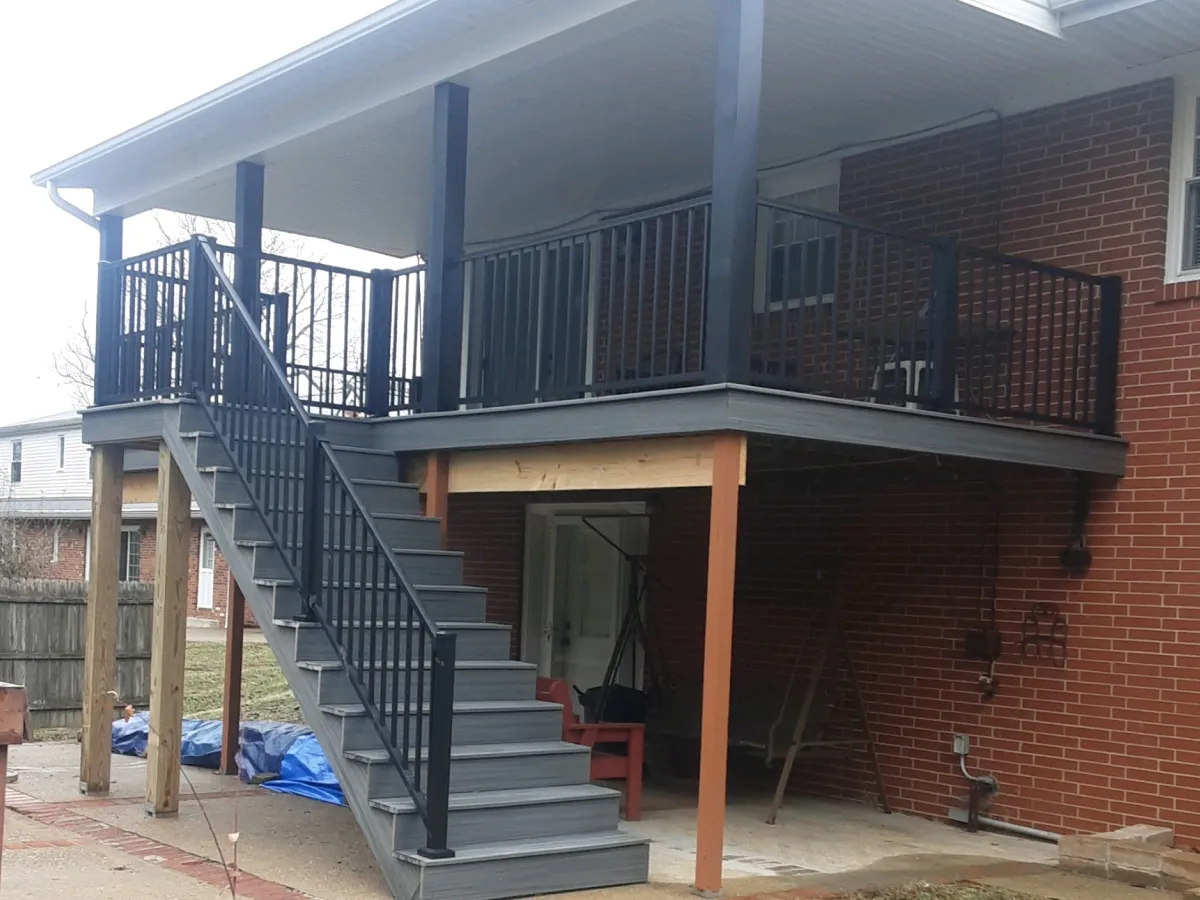
With over 24 years of building experience, Dutch Quality Builders, LLC understands the financial considerations that property owners face. Their transparent pricing and detailed project planning help clients in Port Washington, OH make informed decisions about post frame buildings, custom decks, and other construction projects, ensuring your investment delivers lasting value.
Managing the Construction Timeline
Construction projects progress through distinct phases, each requiring specific timeframes. Understanding this progression helps you plan around disruptions and set realistic expectations. Initial planning and permitting can take several weeks, depending on project complexity and local building department workload. Site preparation follows, involving clearing, grading, and establishing utilities access.
Foundation work requires favorable weather conditions, particularly important in Port Washington, OH, where winter freezing temperatures can halt concrete work. Experienced professionals schedule foundation pours during appropriate seasons and allow adequate curing time before proceeding to framing. Rushing this critical phase compromises structural integrity and creates problems that manifest years later.
Framing represents a visible milestone where your project’s structure takes shape. This phase progresses relatively quickly under normal conditions, though weather delays can occur. Following framing, rough-in work for electrical, plumbing, and HVAC systems takes place before walls are closed. Inspections at various stages ensure code compliance and may require scheduling coordination that affects your timeline.
Exterior finishing, including roofing and siding, protects the structure from weather and allows interior work to proceed regardless of outdoor conditions. Interior finishing involves drywall installation, painting, flooring, and trim work. These detail-oriented tasks require patience and precision. Final inspections and any necessary corrections precede project completion and final payment.
Weather significantly impacts construction schedules in Ohio. Spring rain can delay excavation and foundation work. Summer heat may affect material handling and worker productivity. Fall offers ideal building conditions with moderate temperatures and lower humidity. Winter presents challenges for outdoor work, though interior projects can proceed year-round. Discuss seasonal considerations with your professional during planning.
Communication and Quality Control
Effective communication forms the foundation of successful construction projects. Establish clear communication protocols from the beginning, including preferred contact methods, response time expectations, and scheduled progress meetings. Regular updates keep you informed about work completed, upcoming phases, and any issues requiring decisions. Proactive professionals address concerns immediately rather than allowing problems to escalate.
Quality control processes ensure your project meets professional standards. Regular inspections at critical stages catch errors before they become costly repairs. Your construction professional should welcome questions about materials, methods, and progress. Transparency indicates confidence in their work and respect for your investment. Request explanations when you observe something that concerns you.
Change orders inevitably occur during most projects as you refine your vision or address unforeseen conditions. Legitimate professionals document all changes in writing, including cost and timeline impacts, before proceeding with modified work. This practice protects both parties and prevents disputes about what was agreed upon. Review all change orders carefully, ensuring you understand the implications before approving.
Final walkthroughs provide opportunity to identify any items requiring correction before making final payment. Create a punch list noting incomplete or unsatisfactory items. Reputable professionals address these concerns promptly and willingly. Verify that all required permits received final inspections and approvals. Obtain copies of warranties for materials and workmanship, along with care and maintenance recommendations for installed systems and finishes.
Whether you are planning a stick frame garage, considering metal roofing installation, or designing a custom porch addition, partnering with an established professional ensures your project receives the attention and expertise it deserves. Quality construction represents a significant investment that enhances your property value and serves your needs for decades to come.
